See Your GP
Your GP or travel clinic is the best source of information about preventative measures. We recommend you consult your GP or local travel clinic for detailed advice to ensure maximum pre-travel preparation. Please take a copy of your travel itinerary with you to assist your GP with the recommendations of appropriate medication.
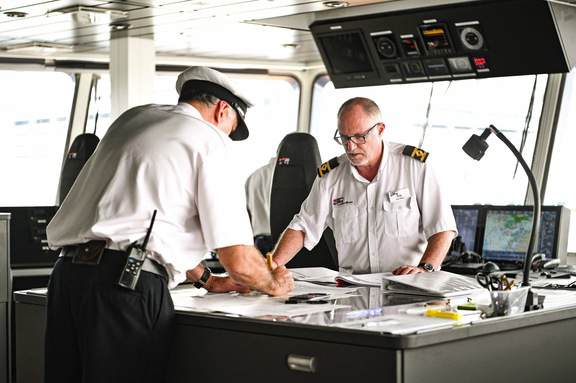
Please note: the ship does not travel with a doctor or nurse on Australian domestic voyages so we recommend that you pack a small medical kit which includes your preferred pain killer, cold and flu medication, gastrointestinal medication and anti-motion sickness medication. Crew are medically trained as a requirement of their roles to meet Australian Maritime Safety Standards. The ships also have remote support from specialist organisations like the Royal Flying Doctor Service and various state and territory health facilities.
Colds and Flu
Viral respiratory infections are the most common infectious illnesses affecting travellers. Colds and flu are primarily spread by people coughing, so practice hygiene and respiratory courtesy – wash your hands often, cover your coughs and sneezes, use anti-bacterial wipes or hand sanitiser frequently, especially after shore excursions, prior to meals and throughout the day. Influenza can be commonly contracted while travelling. The flu vaccine protects against flu viruses expected to be prevalent during the current flu season. You should discuss this with your GP.
Avoiding Mosquito Bites
It is important to protect yourself from mosquito bites, especially at dawn and dusk when mosquitoes are most active. Precautionary measures include:
- Using a DEET-based insect repellent.
- Wear light coloured clothing. Research has shown that mosquitoes are attracted to dark colours. Light coloured clothing also has the advantage of keeping you cooler in the heat.
- Be sure to cover as much of your skin as possible. Wear long-sleeved shirts, long trousers, socks and shoes.
- Wear clothes made of tightly-woven fabric which mosquitoes are unable to penetrate. Wear loose-fitting clothing so that mosquitoes cannot bite through to your skin, ensuring the garments are not loose at sleeve and collar openings.
- Avoid wearing perfume or cologne as these are known to attract mosquitoes.
Gastro and Traveller’s Diarrhoea
Traveller’s diarrhoea is the second most common infectious illness affecting travellers. The illness can be due to a number of different bugs including viruses and bacteria. Viral gastroenteritis is generally spread by person-to-person contact, whereas bacterial gastroenteritis is generally spread from consuming contaminated food or water. Symptoms can include fever, nausea, vomiting, diarrhoea and abdominal pain. The incubation for the illness is variable depending on the cause. Symptoms are generally self-limiting, and treatment includes rest, rehydration, simple diet, anti-nausea and anti-diarrhoeal medications.
Antibiotics are generally reserved for use when symptoms are more severe or protracted, for example fever, abdominal pain, bloody diarrhoea or duration of symptoms for more than two days. Strict personal hygiene measures, particularly hand washing, helps protect you from getting sick and, of course, spreading the infection to others.
Sun Exposure and Dehydration
The weather will be variable on your tour and drinking wateris important to prevent dehydration. A hat and good sunscreen are important for preventing sunburn, even on overcast days.
Sea Sickness
As on any sea vessel, some marked motion may be anticipated in certain areas, dependent on weather and season. While most ships are fitted with stabilisers to reduce the roll, it is recommended that you bring anti-motion sickness medication or precautions just in case, even if you have never experienced motion sickness in the past. To minimise the effects of motion sickness, avoid alcohol, tobacco and confined spaces.
APT Health and Safety Protocol
APT has created a Health and Safety Protocol that all our Expedition Teams and Cruise Directors are required to adhere to. You may be requested to assist in reducing the spread of viruses if you are showing symptoms while on tour. If you are showing symptoms of a cold or a virus while on tour, you may be asked to wear a face mask, have meals in your cabin instead of the dining room, or remain in your cabin until the symptoms improve. Refer to our website for our most up-to-date protocols.