STAYING HEALTHY
It’s important for you to be as healthy as possible before you travel, and to maintain your health by applying good hygiene practices while on tour. Respiratory and gastrointestinal illnesses, while usually minor in nature, can spread rapidly within a tour group, and have a major impact on everyone’s enjoyment. Travelmarvel is committed to reducing the spread of infections on tours. We ask that you read and follow our recommendations to ensure a healthy, safe and enjoyable holiday for you and your fellow travellers.
See Your GP
Your GP or travel clinic is the best source of information about preventative measures. We recommend you consult your GP or local travel clinic for detailed advice to ensure maximum pre-travel preparation. Please take a copy of your travel itinerary with you to assist your GP with the recommendations of appropriate medication.
It may be wise to ask your doctor to prepare your medical history for another doctor, should you need to see one on your cruise. It should include your name, address, emergency contact, blood type, medical history, current medications and dosages, drug allergies, reasons for prior hospitalisation and a list of vaccinations and dates.
A copy of your prescriptions is vital in case you need medical assistance. Prepare a list of any medications you use, along with your name, dosage, prescribing doctor and their phone number. Pack sufficient medication for the duration of your tour. Your medication should be kept close at hand in your purse or carry-on bag. Remember to leave medication in its original container so it can be easily identified. It is also a good idea to bring a copy of your prescription for glasses or contacts.
Pack a Medical Kit
A small medical kit is recommended for all travellers, as depending on your detestation, there may be no stops once you are on your cruise to purchase items. Your medical kit should include:
- Cold and flu medication (e.g. cold and flu tablets, throat lozenges, nasal decongestant).
- Your preferred painkiller.
- Medicine for gastrointestinal upsets (e.g. antacids, ‘stoppers’ for diarrhoea and a laxative for constipation).
- Other supplies including anti-motion sickness medication, plasters, blister pads, scissors, tweezers and eye drops.
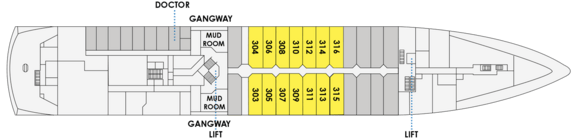
In case of more serious injury or illness, there is a doctor and small medical centre on board, and medical care can be obtained in main towns. In the event you leave the cruise because of illness, your return to the point of departure will be at your own expense.
Practice Good Hygiene
Washing your hands is the most effective way to reduce the risk of contracting and spreading infections.
Health experts recommend washing your hands frequently with soap and hot water for at least 20 seconds, especially before eating, after sneezing or coughing, and after touching high-contact surfaces, such as doorknobs, elevator buttons and railings. Please be mindful of your fellow travellers with respect to coughing, sneezing and the disposal of used tissues.
Hand sanitiser dispensers are located in various public areas on board all our ships. Please make sure you make use of these when reboarding and before all meals.
Cold and Flu
Viral respiratory infections are the most common infectious illnesses affecting travellers. Colds and flu are primarily spread by people coughing, so please practise good hygiene and respiratory etiquette. This includes washing your hands often, covering your coughs and sneezes, and using antibacterial wipes or hand sanitiser frequently, i.e. after excursions, prior to meals, and throughout the day. Influenza can be common during overseas travel. The flu vaccine provides protection against the strains prevalent during flu seasons. Consult your GP for advice.
Avoiding Mosquito Bites
It is important to protect yourself from mosquito bites, especially at dawn and dusk when mosquitoes are most active. Precautionary measures include:
Gastro and Traveller’s Diarrhoea
Traveller’s diarrhoea is the second-most common infectious illness affecting travellers. The illness can be due to a number of different bugs including viruses and bacteria. Viral gastroenteritis is generally spread by person-to-person contact; whereas bacterial gastroenteritis is generally spread from consuming contaminated food or water.
Symptoms can include fever, nausea, vomiting, diarrhoea and abdominal pain. The incubation for the illness varies depending on the cause.
Symptoms are generally self-limiting and treatment includes rest, rehydration, simple diet, anti-nausea and anti-diarrhoea medications. Antibiotics are generally reserved for use when symptoms aremore severe or protracted (e.g. fever, abdominal pain, bloody diarrhoea or duration of symptoms for more than two days). Strict personal hygiene measures, particularly hand washing, helps protect you from getting sick and spreading the infection to others.
Sun Exposure and Dehydration
The weather will vary on your tour. Drinking plenty of water is important to prevent dehydration. A hat and good sunscreen are important for preventing sunburn, even on overcast days.
Sea Sickness
As on any sea vessel, some marked motion may be anticipated in certain areas, dependent on weather and season. While most ships are fitted with stabilisers to reduce the roll, it is recommended that you bring anti-motion sickness medication or precautions just in case, even if you have never experienced motion sickness in the past. To minimise the effects of motion sickness, avoid alcohol, tobacco and confined spaces.
Travelmarvel Health and Safety Protocol
Travelmarvel has created a Health and Safety Protocol, as well as COVID-19 protocols that all our Expedition Teams and Cruise Directors are required to adhere to. You may be requested to assist in reducing the spread of viruses if you are showing symptoms while on tour.
If you are showing symptoms of a cold or a virus while on tour, you may be asked to wear a face mask, have meals in your cabin instead of the dining room, or remain in your cabin until the symptoms improve. Refer to our website for our most up-to-date protocols